When Woodrow Wilson became president in 1913, Washington, D.C. stood at a crossroads. The city was the symbolic heart of American democracy, yet its streets, workplaces, and institutions revealed a nation deeply divided by race, class, gender, and citizenship status. The promises of freedom and equality coexisted with the realities of segregation, disenfranchisement, and social exclusion.
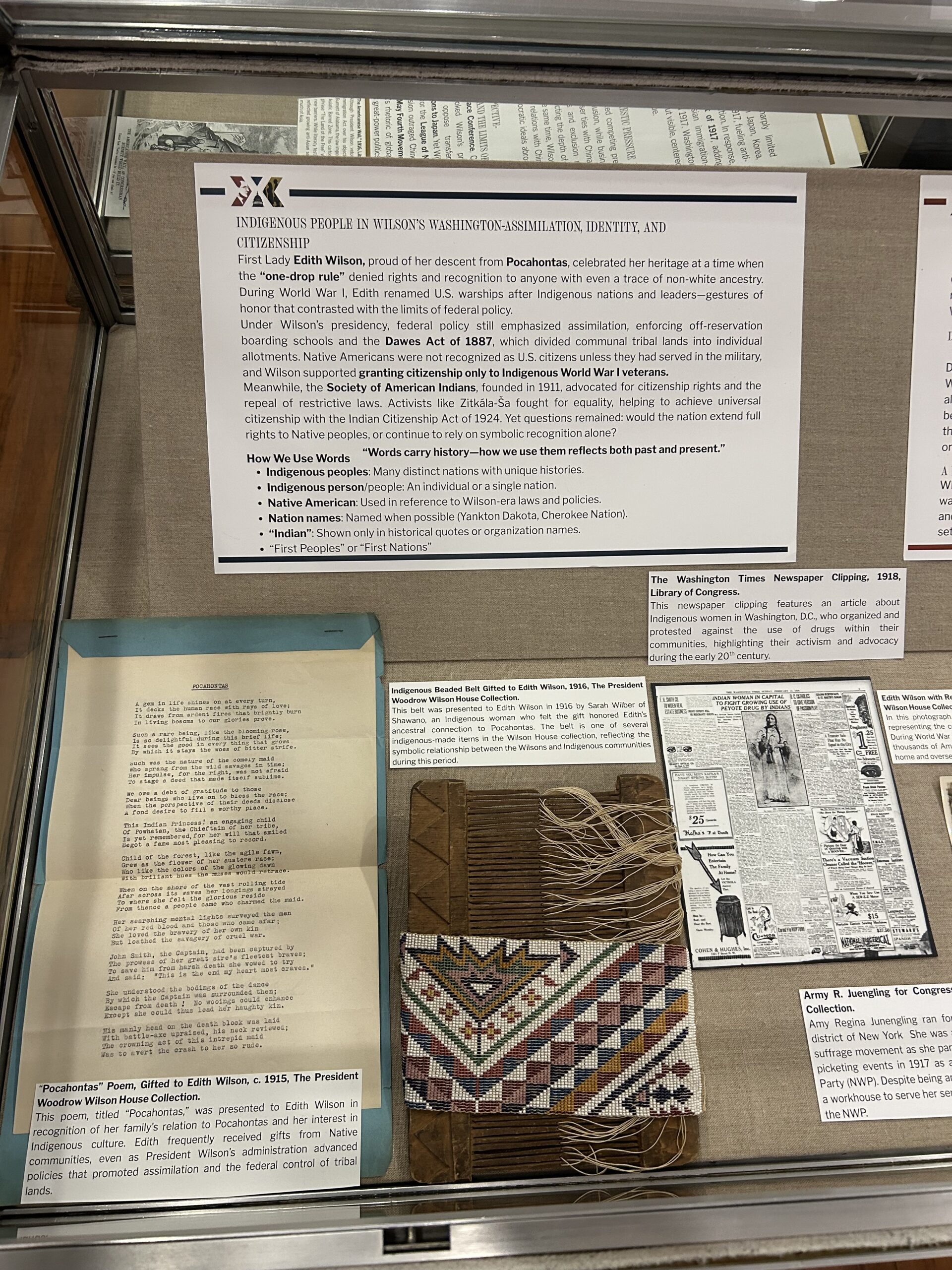
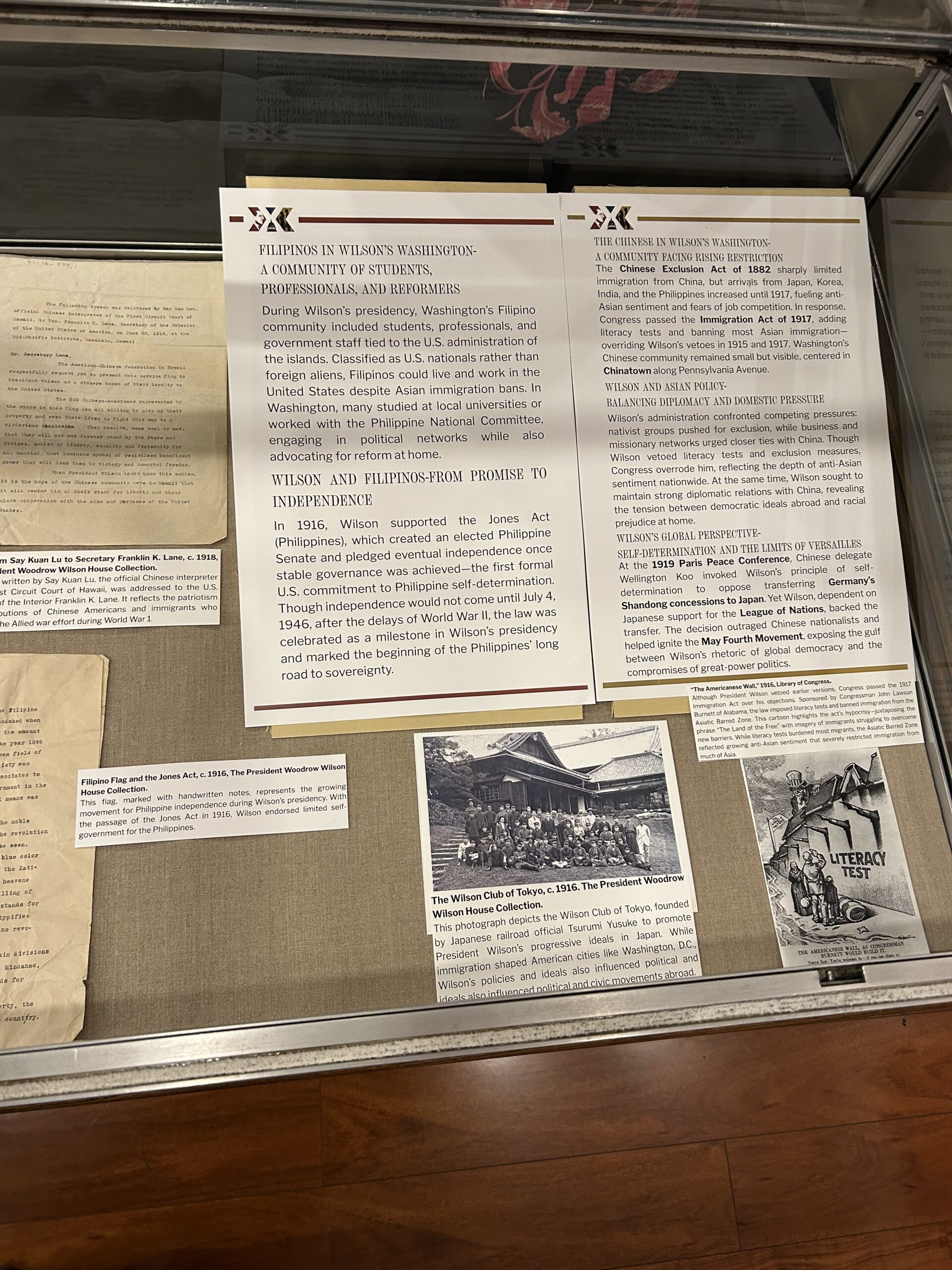
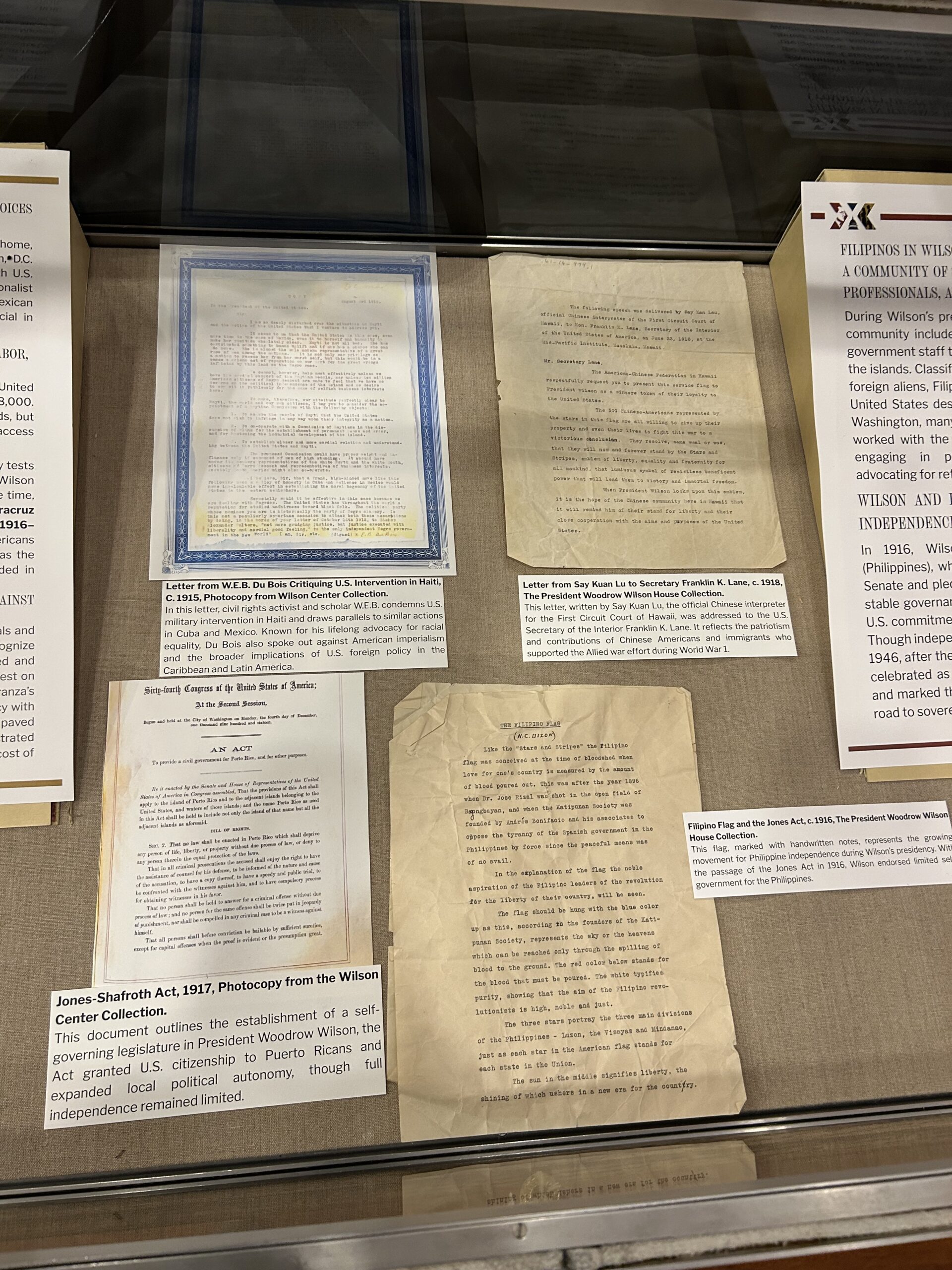
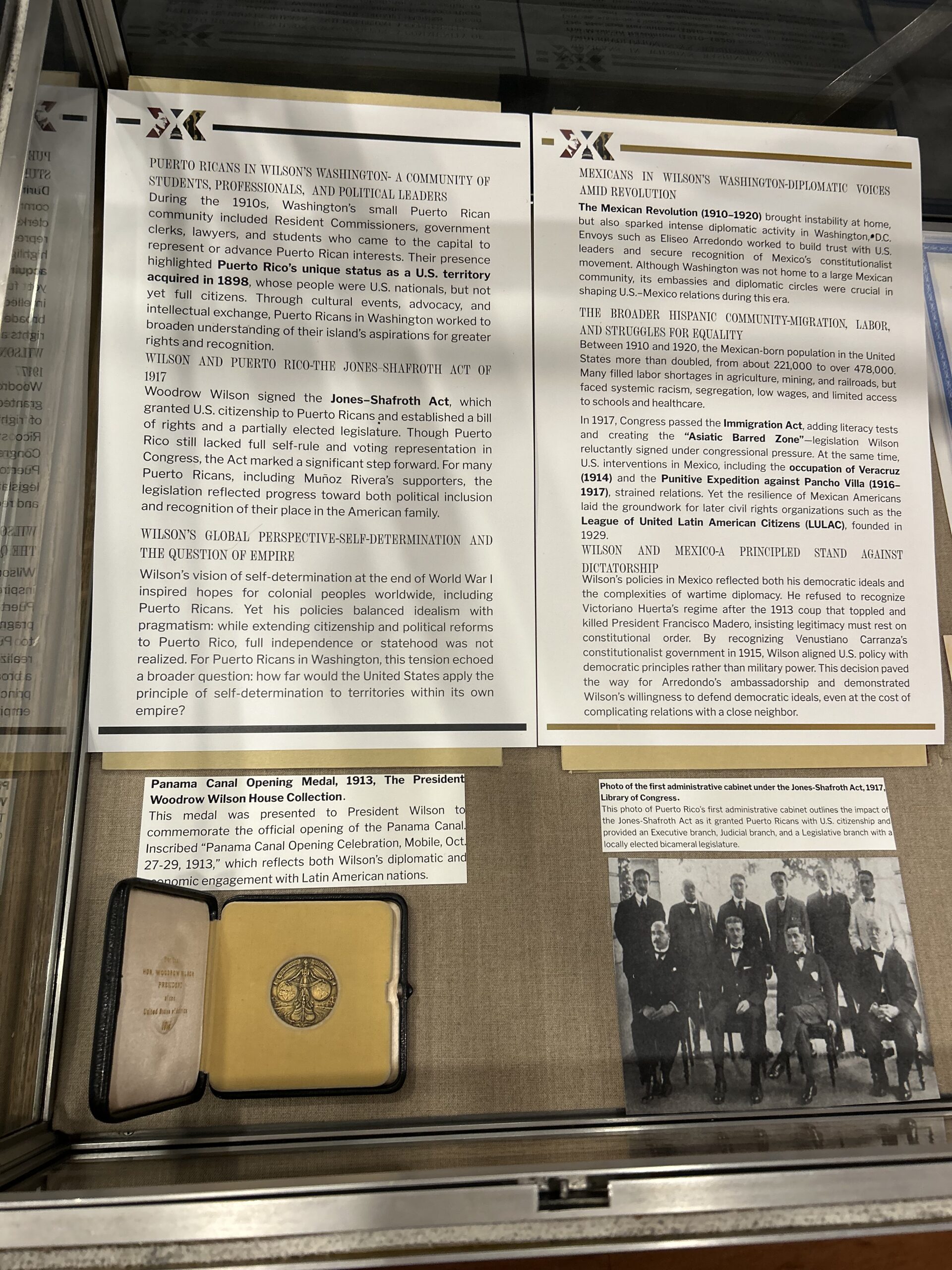
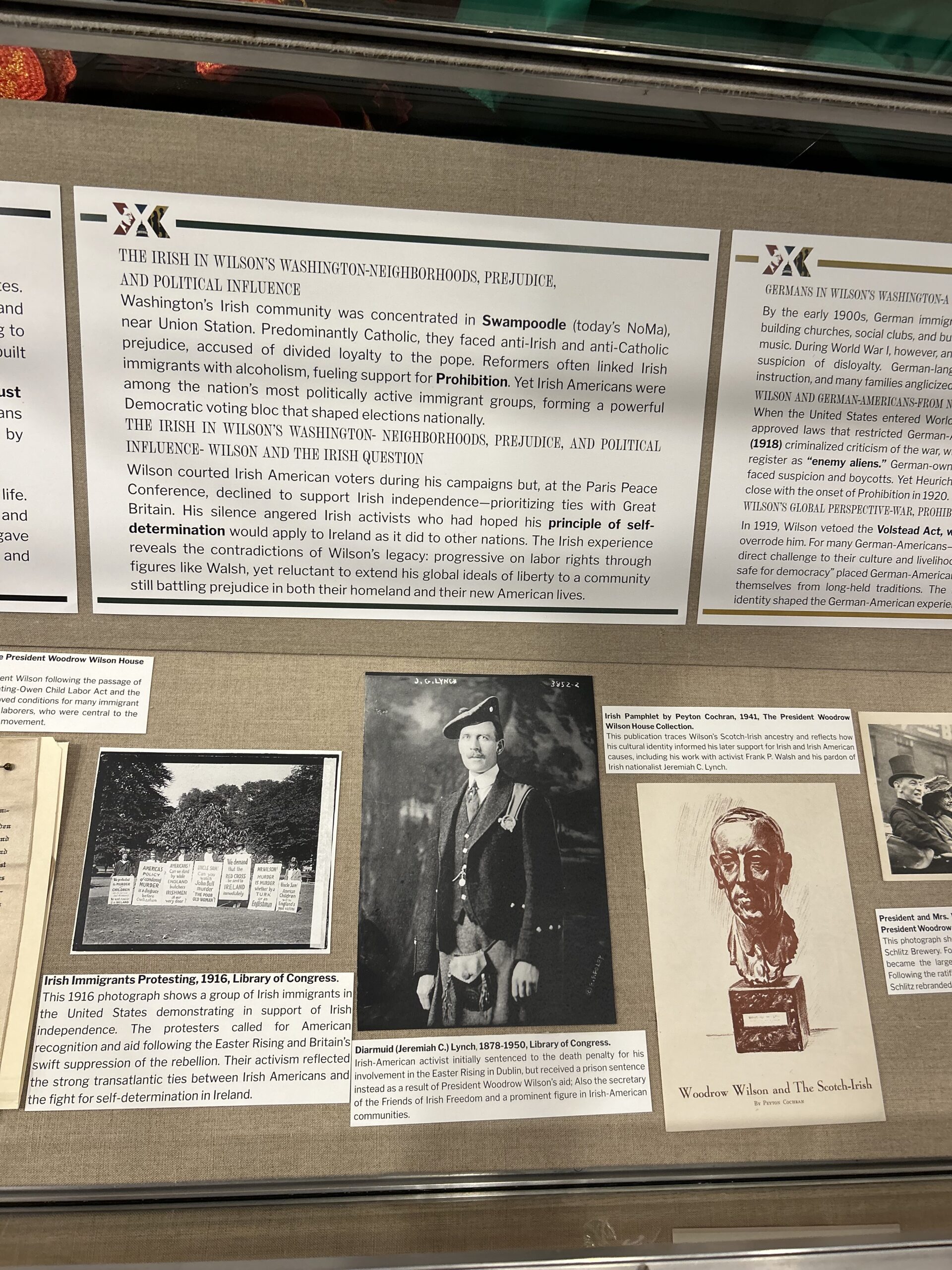
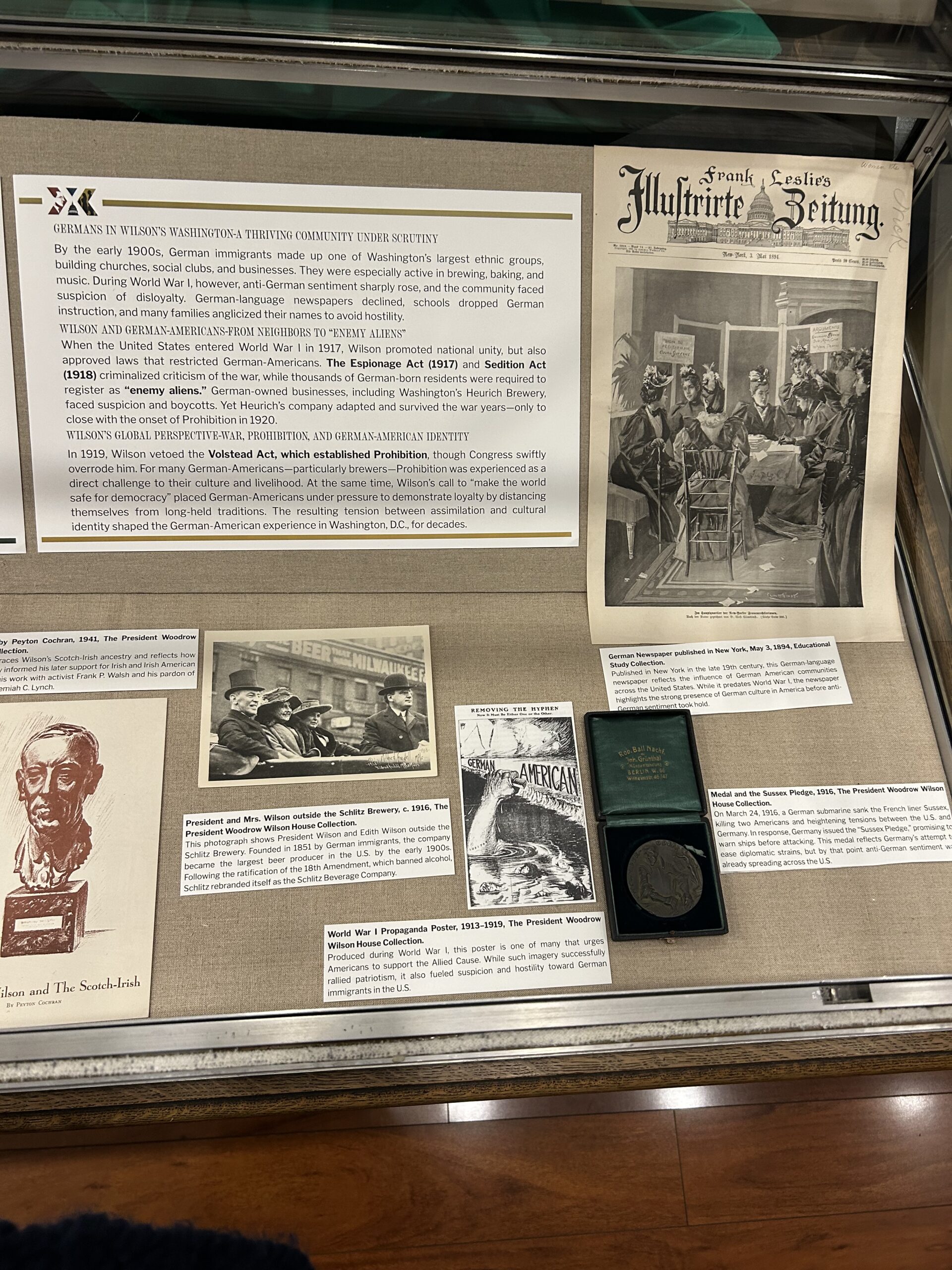
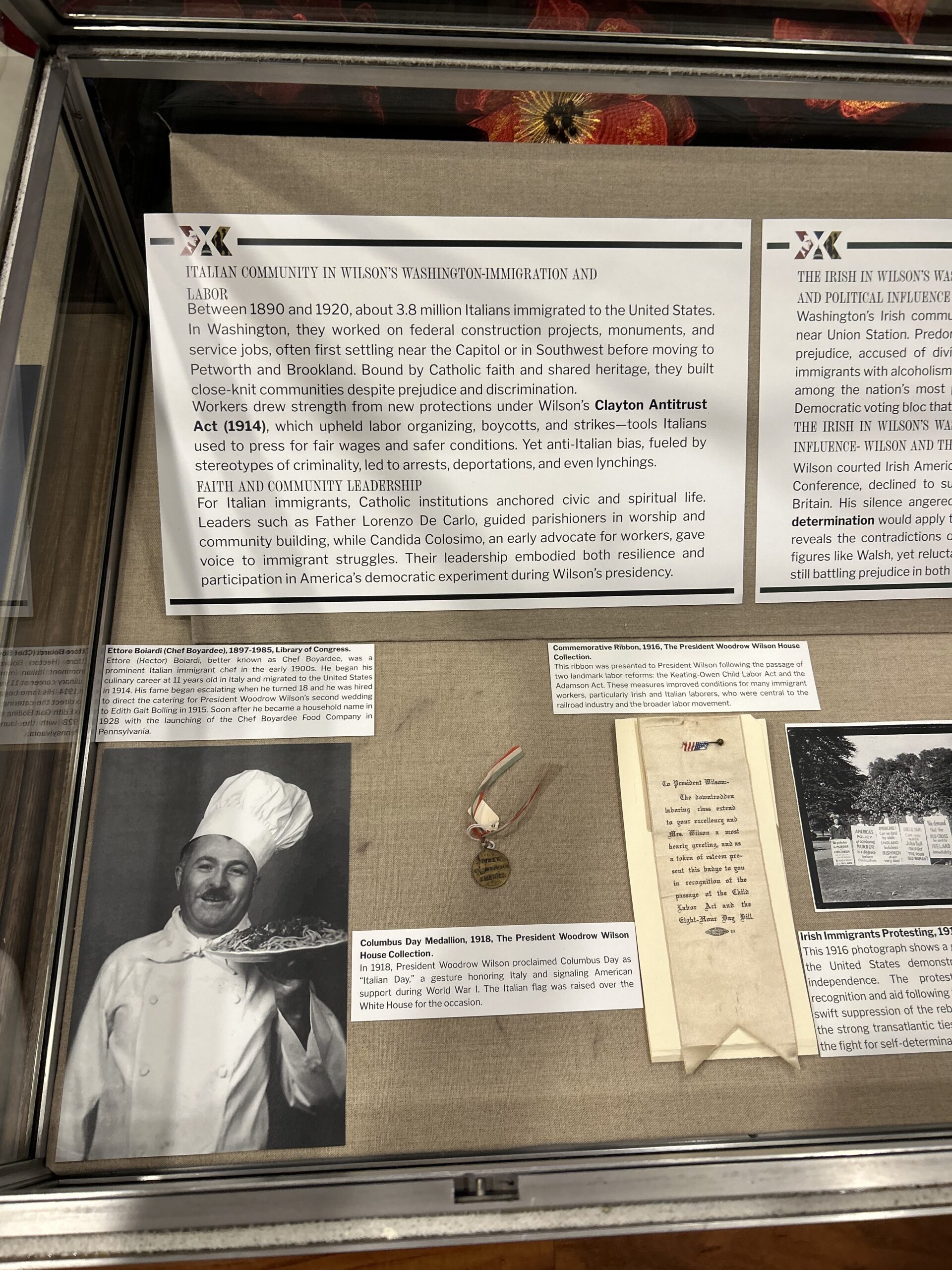
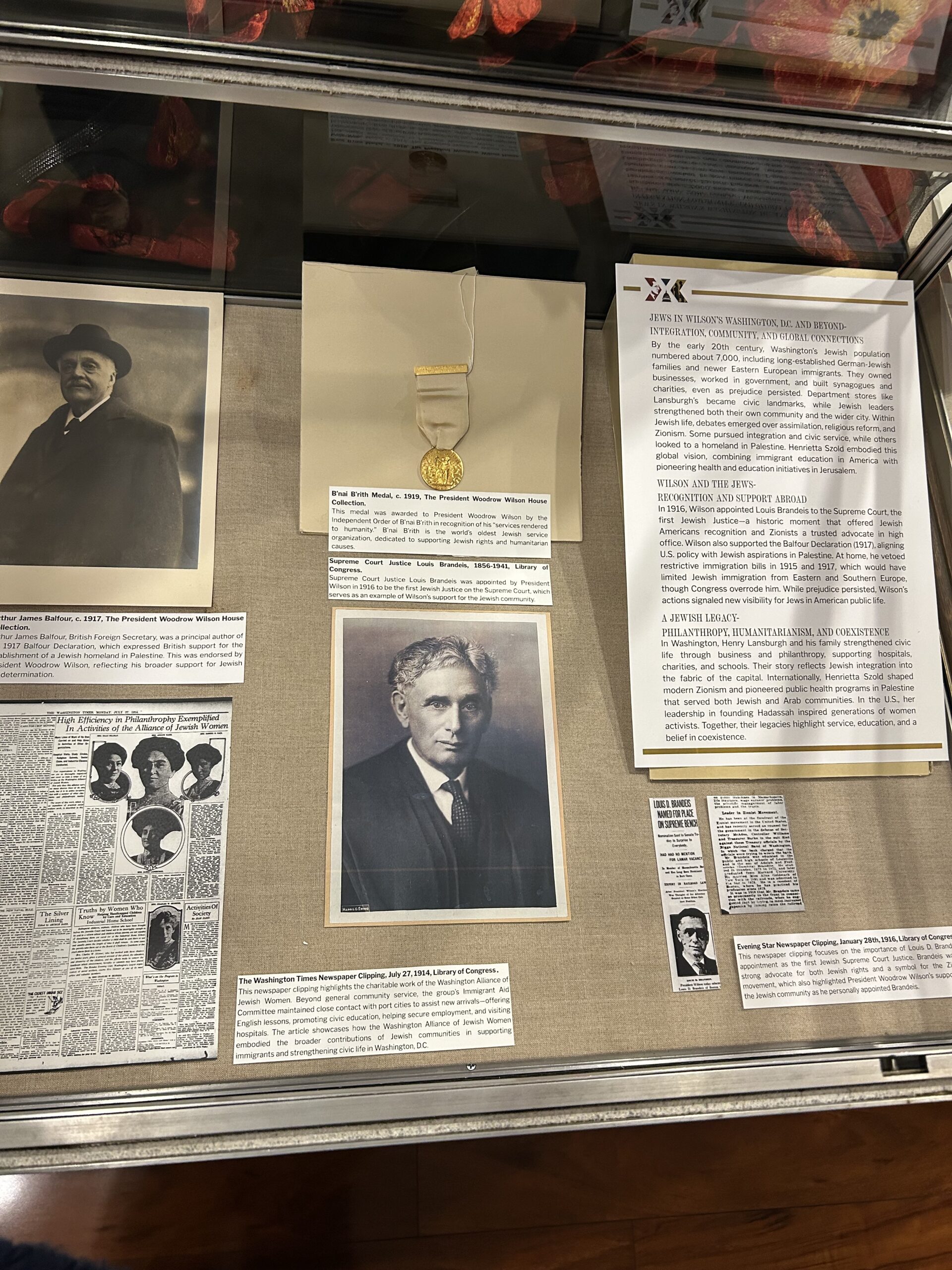
This exhibition explores those contradictions through the lives of Washingtonians from many backgrounds—Asian, Black, German, Hispanic, Italian, Indigenous, Irish, Jewish, Middle Eastern, and Women—whose struggles and achievements shaped the civic and cultural life of the capital during Wilson’s lifetime and beyond. Their voices reveal both the resilience of communities seeking justice and the weight of policies that curtailed opportunity.
Wilson’s era was also a turning point for the world. When the United States entered World War I, the president championed self-determination abroad while overlooking pleas for equality at home. Across the globe, peoples in Asia, Africa, and the Middle East looked to Washington as they pursued independence and recognition. This city thus became a stage for a larger question: what did democracy mean in an age of empire, migration, and global war?
Wilson’s Washington, America’s Struggle invites you to reflect on this moment of decision—when the United States, and the world, stood at a crossroads. The choices made then continue to shape the unfinished project of democracy today.
Admission
$8 or free with any tour purchase
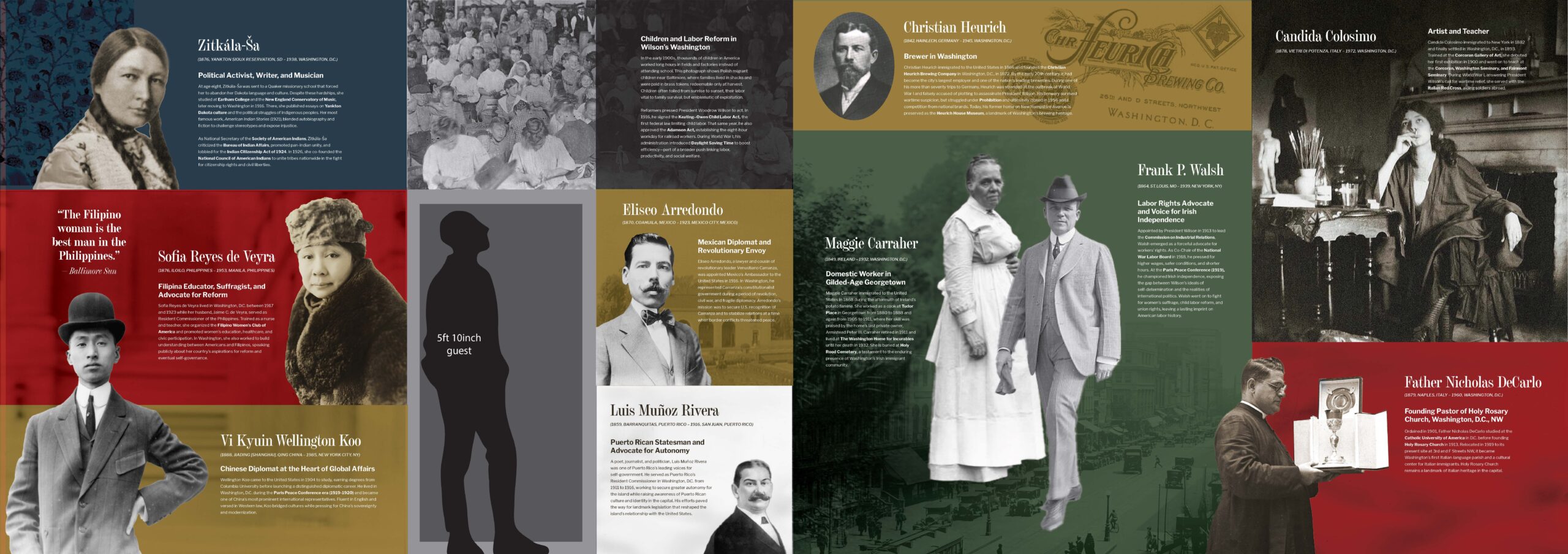
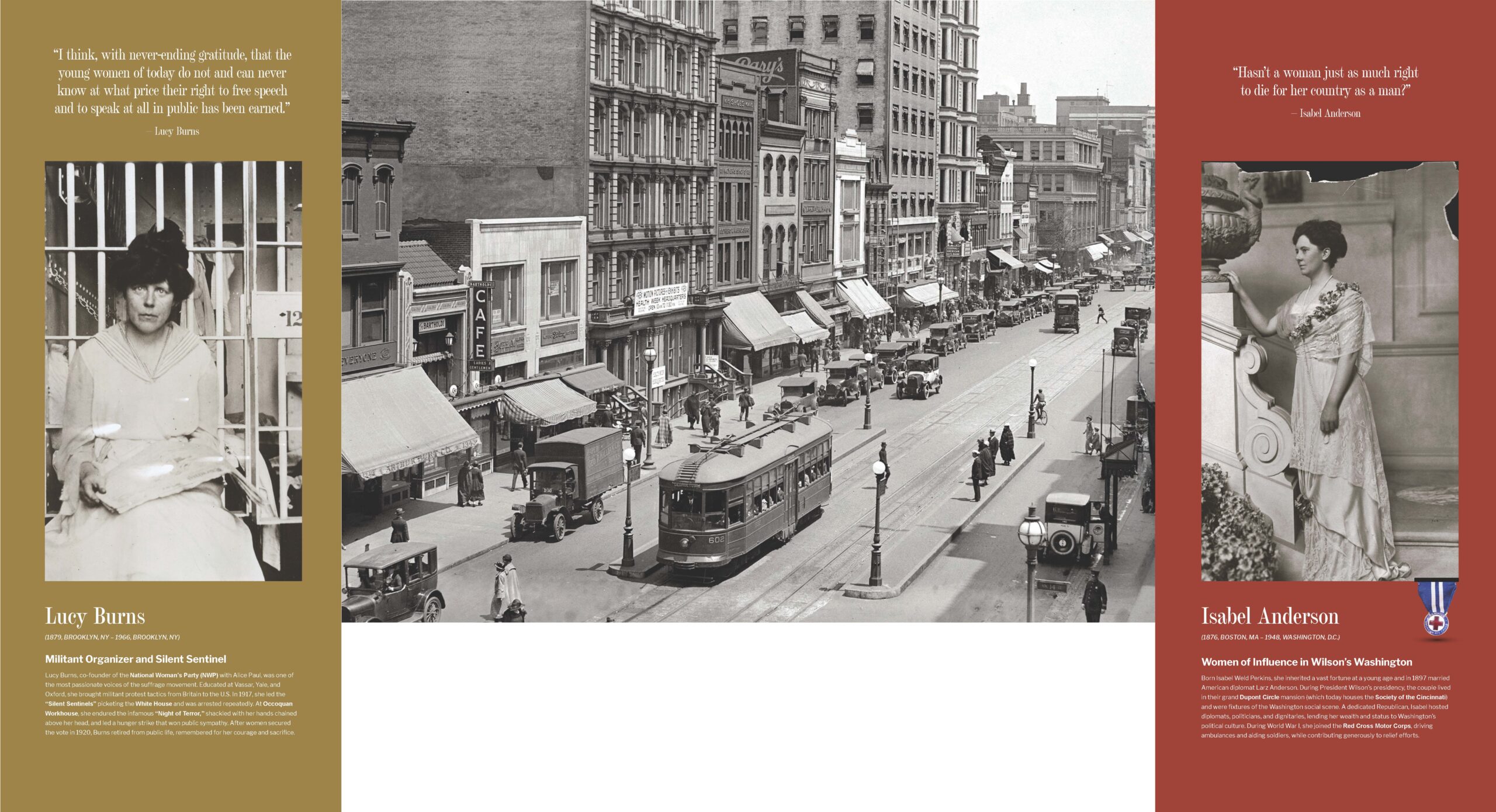
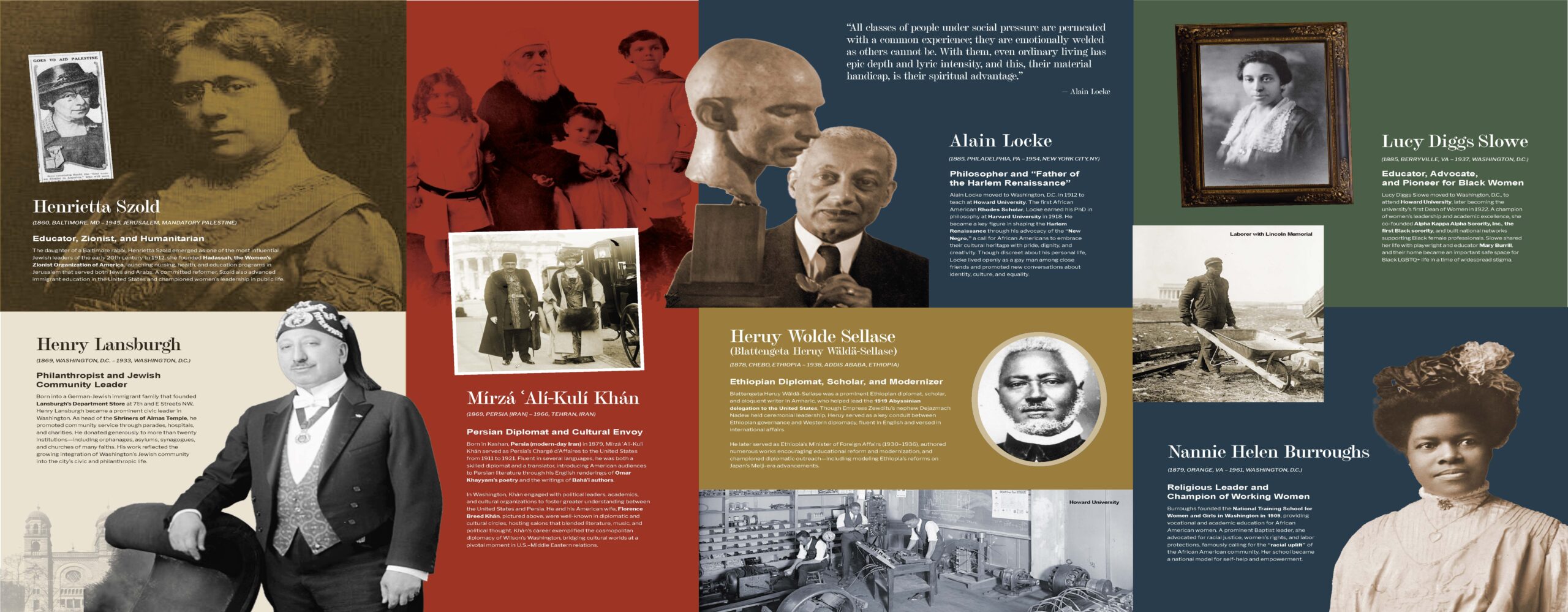
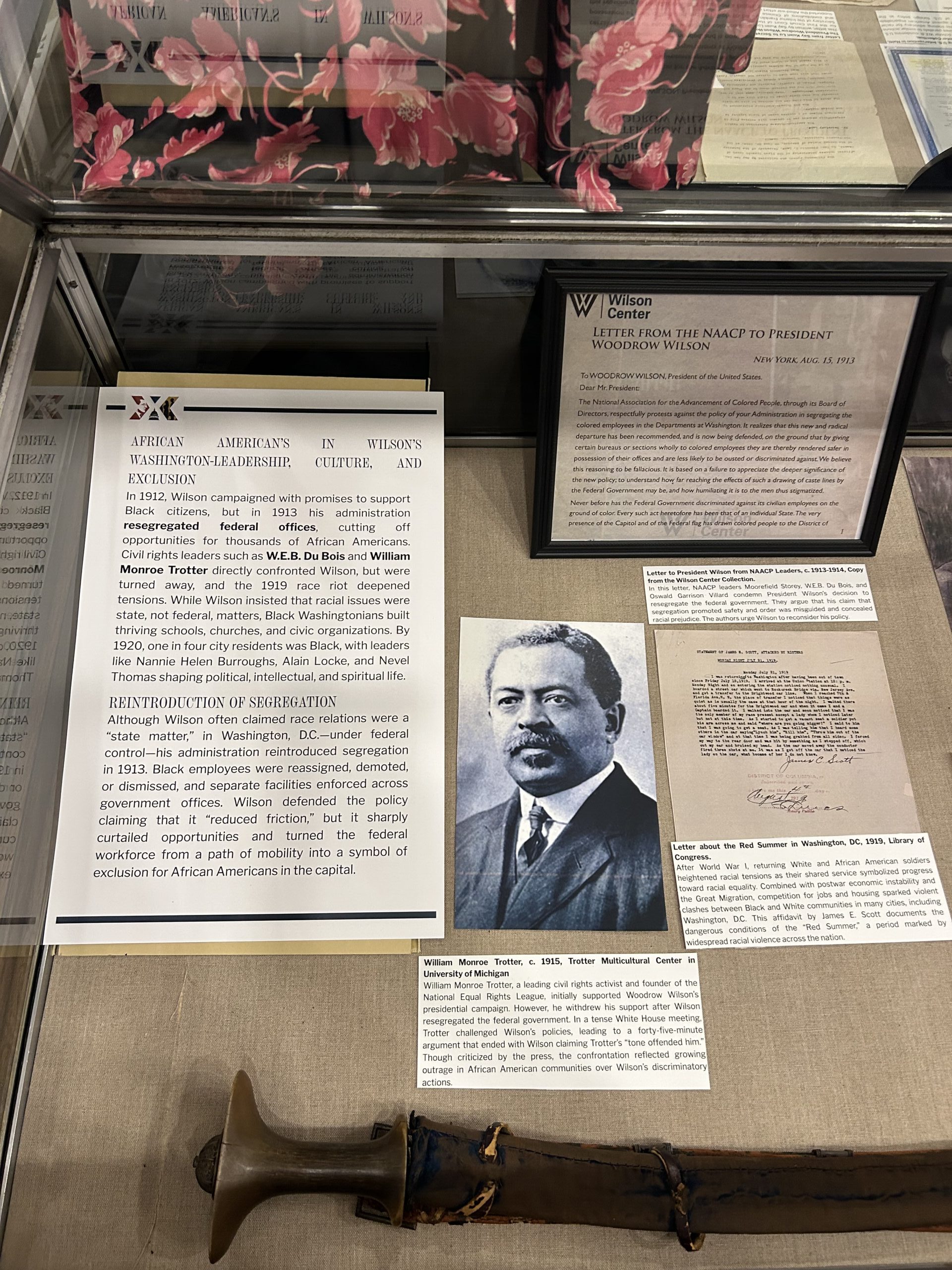
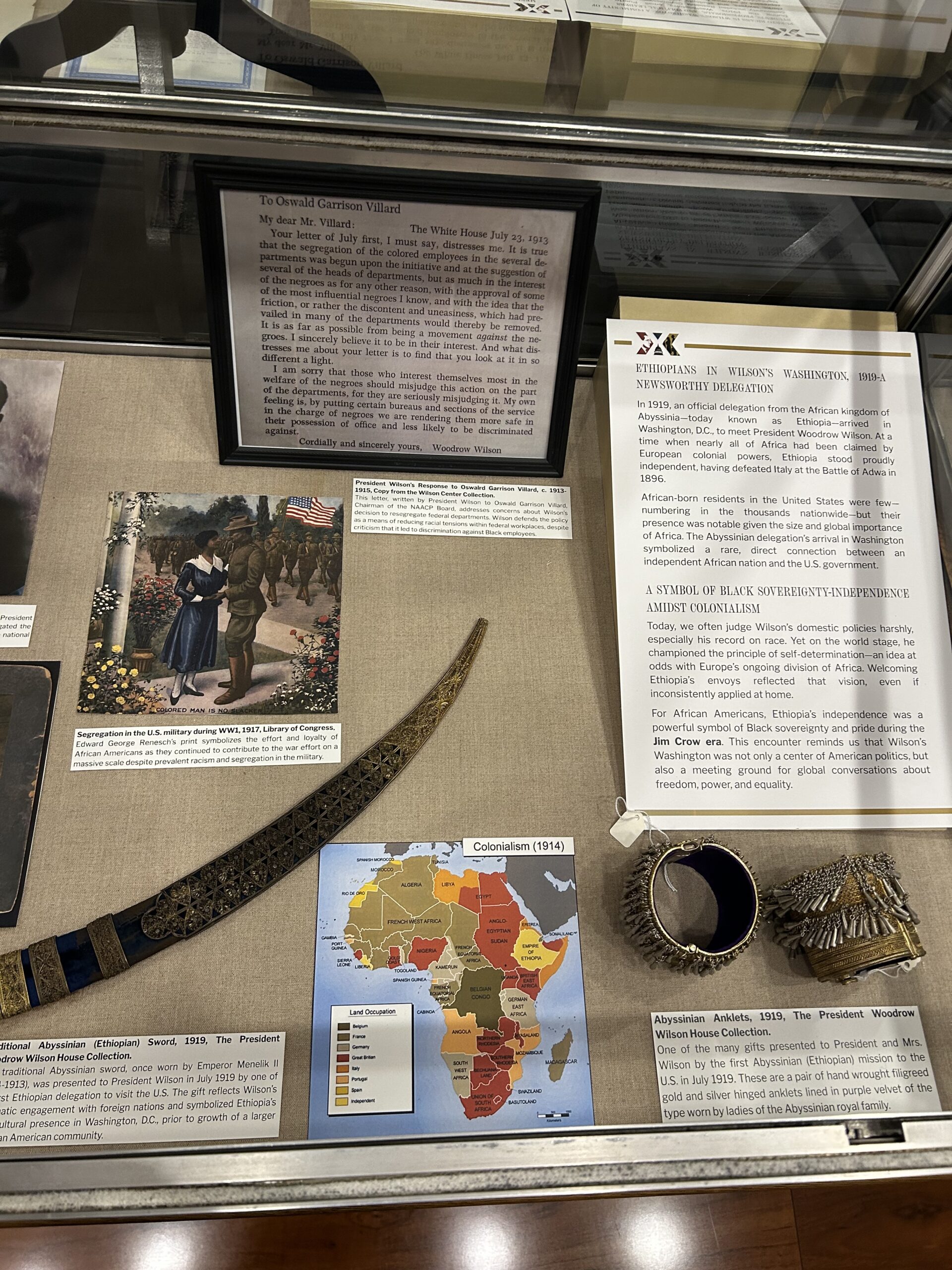
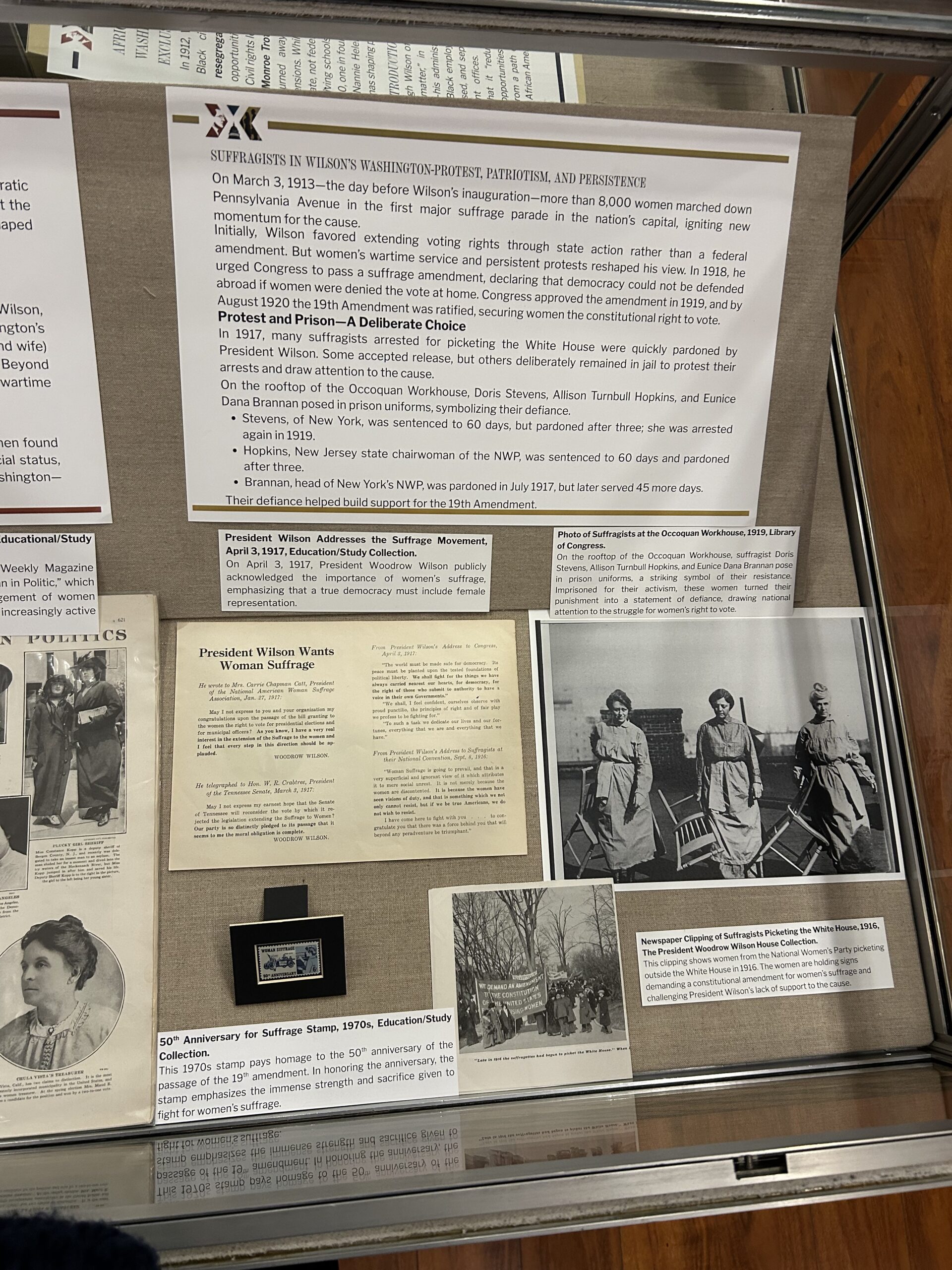
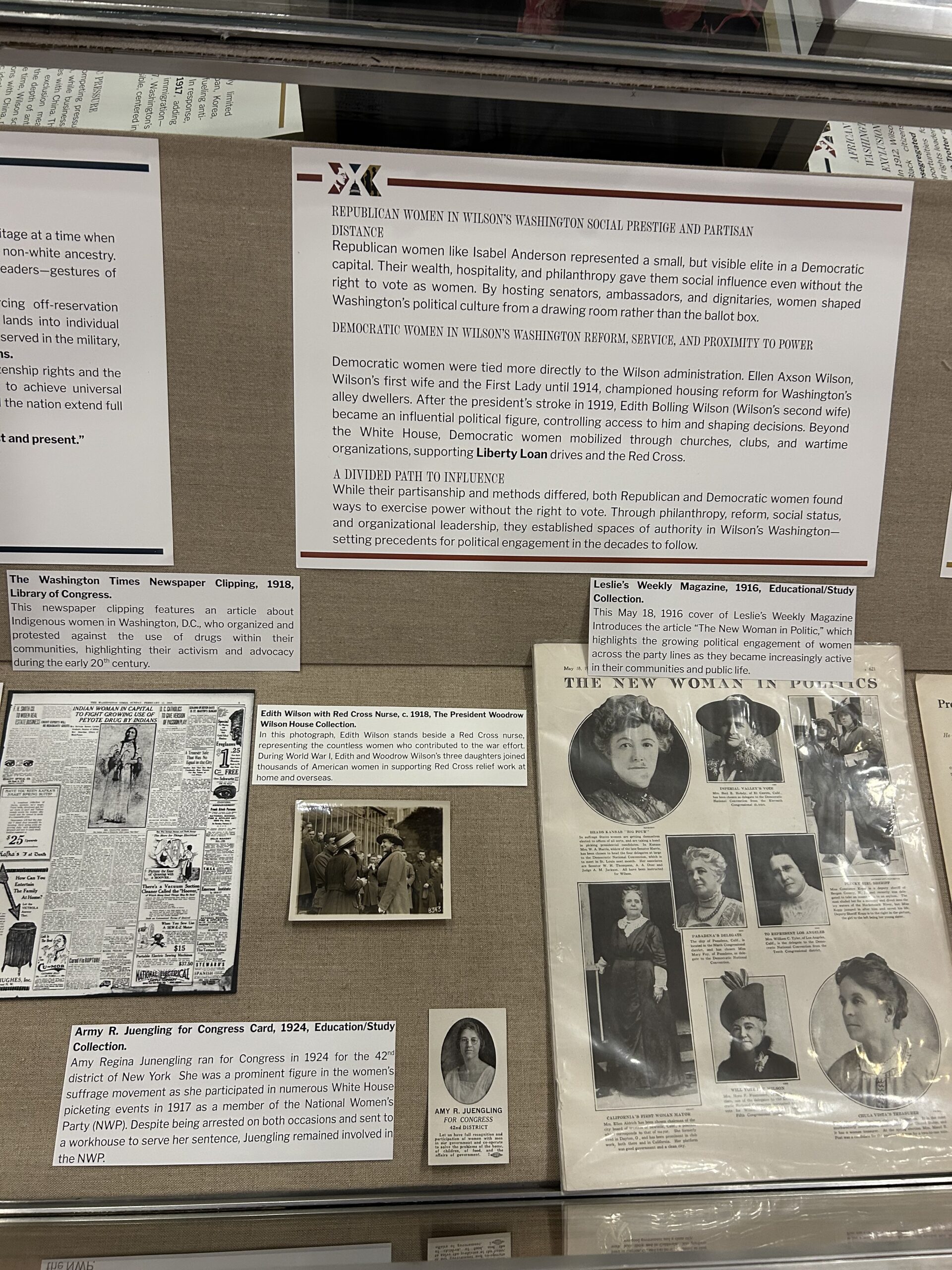
Above are the individuals featured on the gallery walls in the exhibition, representing the various communities mentioned earlier. They include, for the Italian community, Candida Colosimo and Father Nicholas DeCarlo; for the Irish community, Frank P. Walsh and Maggie Caraher; for the German community, Christian Heurich; for the Hispanic community, Eliseo Arredondo and Luis Rivera; for the Asian community, Vi Kyuin Wellington Ku and Sofia Reyes de Veyra; for Indigenous communities, Zitkala-Sa; for women’s activism, Isabel Anderson and Lucy Burns; for the African American community, Nannie Helen Burroughs, Lucy Diggs Slowe, and Alain Locke; for the African community, Heruy Wolde Sellase; for Middle Eastern communities, Mirza Ali-Kuli Khan; and for the Jewish community, Henrietta Szold and Henry Lansburgh.
Check out our StoryMap of the exhibition, created by our scholars.
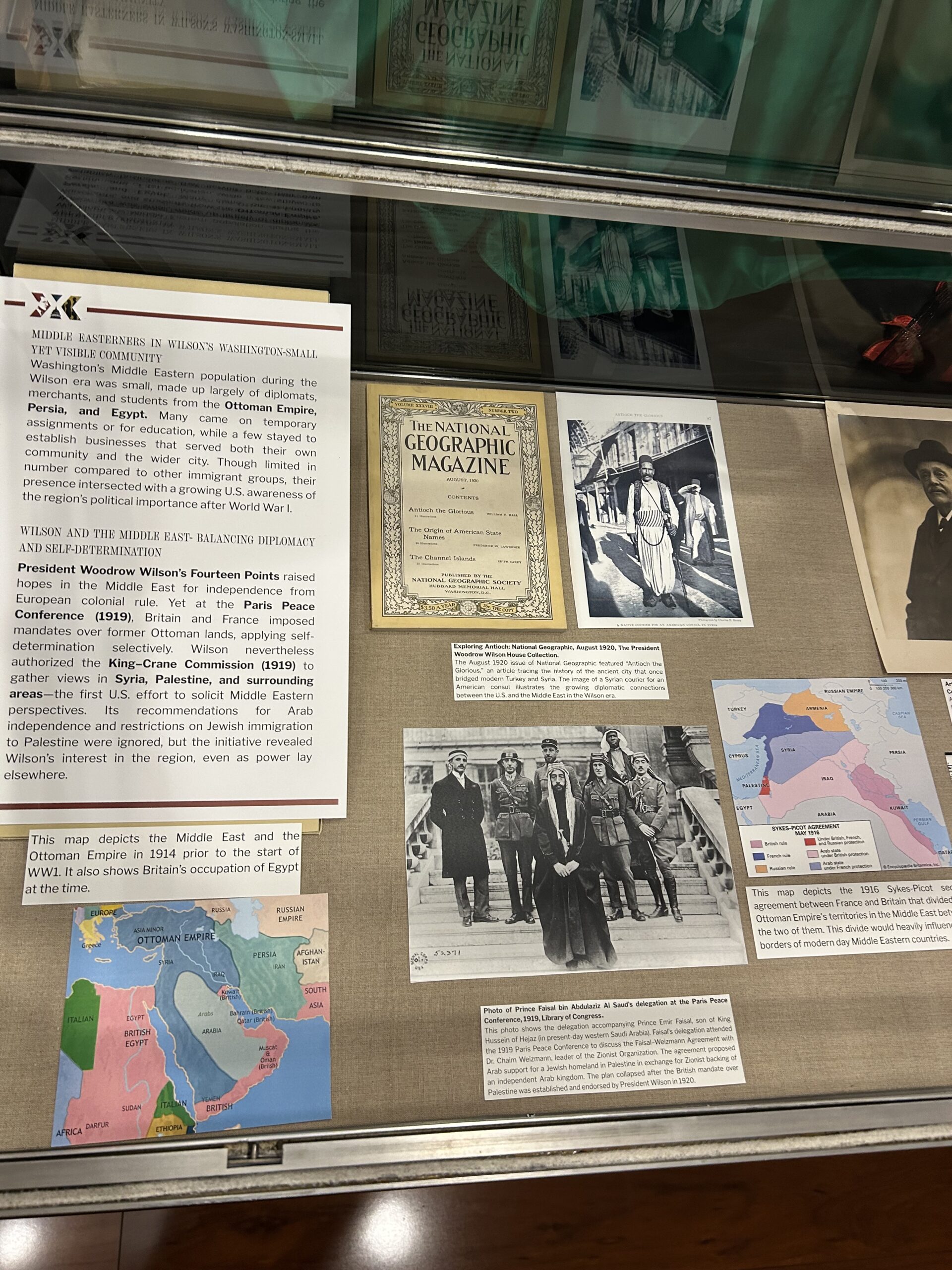
Explore the cases below that are placed throughout the gallery as part of this exhibition. They feature objects from the collection of the President Woodrow Wilson House that represent the communities included in the exhibit and highlight how they interacted with, and were impacted by, policy decisions made during Wilson’s administration.